The Best Climbing Hydrangeas For Your Garden
The Best Climbing Hydrangeas for Your Garden
Climbing hydrangeas are a beautiful and versatile addition to any garden. They can be used to cover unsightly walls, fences, or pergolas, or to create a lush and inviting backdrop for other plants. Climbing hydrangeas also come in a variety of colors, so you can find one that perfectly matches your existing landscape.
In this blog post, we will discuss the best climbing hydrangeas for your garden. We will also provide tips on how to care for these plants so that they can thrive for years to come.
Introduction
Climbing hydrangeas are a type of hydrangea that grows as a vine. They can grow up to 30 feet in length, and they have beautiful white, pink, or blue flowers. Climbing hydrangeas are hardy in zones 5-8, and they prefer partial shade to full shade.
Climbing hydrangeas are a great choice for gardens that need a little bit of privacy or color. They can also be used to create a focal point in your garden.
There are many different varieties of climbing hydrangeas available, so you can choose one that is perfect for your needs. Some of the most popular varieties include:
- Hydrangea anomala subsp. petiolaris (also known as the "climbing hydrangea") is a hardy variety that is easy to care for. It has white flowers that bloom in the summer.
- Hydrangea seemannii is an evergreen variety that is native to Mexico. It has white flowers that bloom in the spring.
- Hydrangea macrophylla petiolaris is a variety that has large, blue flowers. It is not as hardy as some other varieties, but it is still a beautiful plant.
Main Content
How to Choose the Right Climbing Hydrangea
When choosing a climbing hydrangea, there are a few factors you need to consider:
- Hardiness zone: Climbing hydrangeas are hardy in different zones, so you need to choose a variety that is right for your climate.
- Sun exposure: Climbing hydrangeas can tolerate partial shade to full shade, but they will not do well in full sun.
- Size: Climbing hydrangeas can grow to be very large, so you need to choose a variety that will fit in the space you have available.
- Color: Climbing hydrangeas come in a variety of colors, so you can choose one that will complement your existing landscape.
Once you have considered these factors, you can start shopping for a climbing hydrangea. Be sure to buy from a reputable nursery or garden center to ensure that you are getting a healthy plant.
How to Plant Climbing Hydrangeas
Climbing hydrangeas can be planted in the spring or fall. When planting, choose a location that receives partial shade to full shade. The soil should be rich and well-drained.
To plant a climbing hydrangea, dig a hole that is twice as wide and as deep as the root ball. Place the plant in the hole and backfill with soil. Be sure to water the plant well after planting.
How to Care for Climbing Hydrangeas
Climbing hydrangeas are relatively easy to care for. They need regular watering, especially during the first year after planting. They also benefit from a monthly application of fertilizer.
In the winter, you may need to protect your climbing hydrangea from the cold. If you live in a cold climate, you can cover the plant with a burlap sack or other protective material.
Conclusion
Climbing hydrangeas are a beautiful and versatile addition to any garden. They are relatively easy to care for, and they can add a touch of elegance to any landscape. If you are looking for a unique and eye-catching plant for your garden, a climbing hydrangea is a great option.
If you're looking for a beautiful and easy-care climbing vine, the climbing hydrangea (Hydrangea anomala petiolaris) is a great option. This deciduous vine is native to Asia and produces white lace-cap flowers in late spring and early summer. It's perfect for shady areas, as it can tolerate full to partial shade.
Climbing hydrangeas are relatively fast-growing, and can reach heights of up to 50 feet. They're also relatively hardy, and can tolerate USDA hardiness zones 4-9.
If you're interested in learning more about climbing hydrangeas, I recommend visiting . This website has a wealth of information about this beautiful plant, including its care requirements, planting tips, and more.
FAQ of best climbing hydrangea
- What is the best climbing hydrangea for my climate?
There are many different climbing hydrangeas available, so it is important to choose one that is suited to your climate. If you live in a warm climate, you will want to choose a variety that is heat-tolerant. If you live in a cold climate, you will want to choose a variety that is hardy to your zone. Some popular climbing hydrangeas for warm climates include:
* Hydrangea petiolaris: This variety is native to Japan and Korea and is known for its white, lacecap flowers. It is hardy to USDA zones 5-9.
* Hydrangea anomala subsp. petiolaris: This variety is similar to Hydrangea petiolaris, but it has larger flowers. It is hardy to USDA zones 4-9.
* Hydrangea macrophylla: This variety is not technically a climbing hydrangea, but it can be trained to climb. It is known for its large, blue or pink flowers. It is hardy to USDA zones 6-9.
Some popular climbing hydrangeas for cold climates include:
* Hydrangea quercifolia: This variety is known for its large, oak-shaped leaves and its white or pink flowers. It is hardy to USDA zones 4-9.
* Hydrangea serrata: This variety is known for its small, white or pink flowers and its serrated leaves. It is hardy to USDA zones 4-8.
* Hydrangea paniculata: This variety is known for its large, cone-shaped flowers. It is hardy to USDA zones 3-9.
- How much sun does a climbing hydrangea need?
Climbing hydrangeas can tolerate a variety of light conditions, but they do best in partial shade. Too much sun can scorch their leaves, while too much shade can prevent them from flowering. If you live in a hot climate, you may want to plant your climbing hydrangea in full shade. If you live in a cooler climate, you may be able to get away with planting it in full sun.
- How much water does a climbing hydrangea need?
Climbing hydrangeas need moist soil, but they are not tolerant of wet feet. Water your climbing hydrangea deeply once a week, or more often during hot, dry weather. Mulching around the base of the plant will help to keep the soil moist and cool.
- How do I fertilize a climbing hydrangea?
Fertilize your climbing hydrangea in early spring with a balanced fertilizer. You can use a slow-release fertilizer or a liquid fertilizer. Apply the fertilizer according to the directions on the label.
- How do I prune a climbing hydrangea?
Climbing hydrangeas do not need to be pruned heavily. You can prune them in early spring to remove dead or damaged branches. You can also prune them to shape the plant or to control its size.
Image of best climbing hydrangea
- Hydrangea anomala petiolaris is a deciduous climber that can grow up to 30 feet tall. It has large, white flowers that bloom in late summer. This hydrangea is best suited for a north- or east-facing wall or fence.
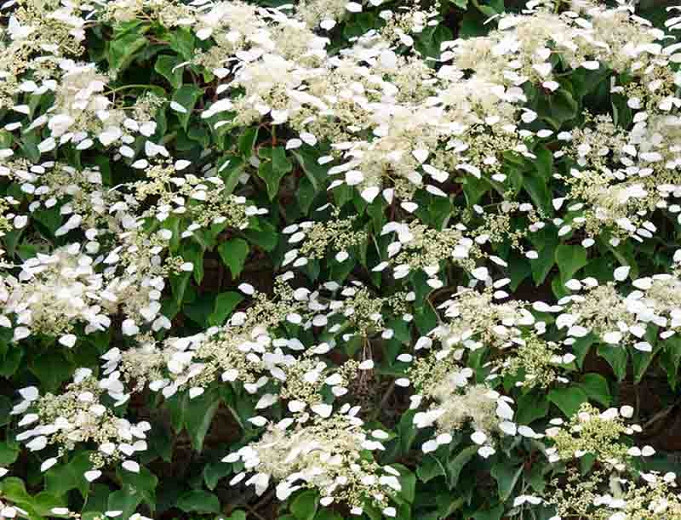
- Hydrangea macrophylla petiolaris is another deciduous climber that can grow up to 30 feet tall. It has large, blue or pink flowers that bloom in late summer. This hydrangea is also best suited for a north- or east-facing wall or fence.
- Hydrangea seemannii is an evergreen climber that can grow up to 20 feet tall. It has white or pink flowers that bloom in spring and summer. This hydrangea is best suited for a sheltered spot, as it is not fully hardy.
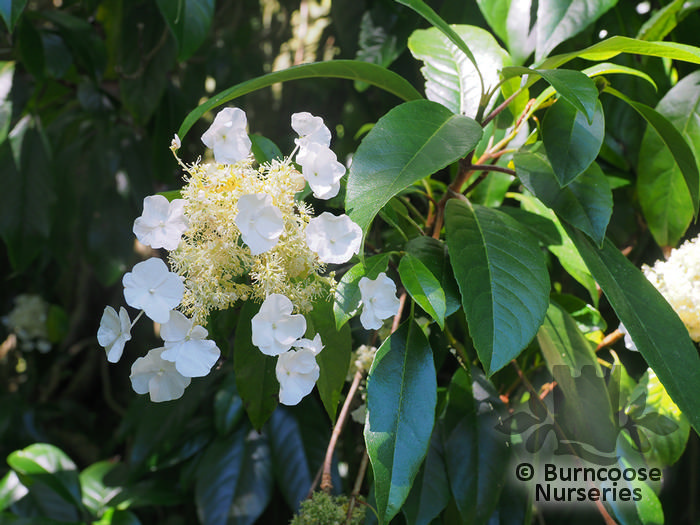
- Hydrangea serratifolia is an evergreen climber that can grow up to 20 feet tall. It has white or pink flowers that bloom in spring and summer. This hydrangea is also best suited for a sheltered spot, as it is not fully hardy.

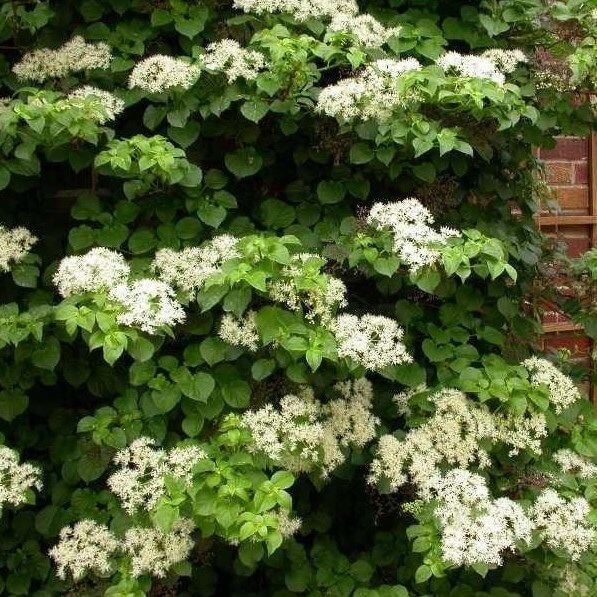
- Hydrangea petiolaris 'Snowflake' is a dwarf cultivar of Hydrangea anomala petiolaris. It only grows up to 10 feet tall and has white flowers that bloom in late summer. This hydrangea is a good choice for smaller gardens.

Post a Comment for "The Best Climbing Hydrangeas For Your Garden"