Herbs That Grow Well Together
Herbs That Grow Well Together
Growing herbs together can be a great way to save space in your garden, attract beneficial insects, and improve the flavor of your food. When choosing herbs to plant together, there are a few things to keep in mind:
- Sunlight: Most herbs need full sun, but some, such as mint and parsley, can tolerate partial shade.
- Water: Herbs have different water needs, so it's important to group them together according to their water requirements.
- Soil: Herbs also have different soil requirements. For example, basil and rosemary prefer well-drained soil, while mint and chives prefer moist soil.
- Companion planting: Some herbs benefit from being planted near each other, while others can compete for nutrients or water. It's a good idea to do some research on companion planting before you start planting your herbs.
Here are some of the best herbs to plant together:
- Basil and tomatoes: Basil helps to repel tomato hornworms and other pests, and it also enhances the flavor of tomatoes.
- Chives and carrots: Chives help to repel carrot flies, and they also add a subtle onion flavor to carrots.
- Cilantro and beans: Cilantro helps to attract beneficial insects, such as ladybugs, which can help to control pests.
- Dill and fennel: Dill and fennel are both members of the carrot family, and they grow well together. Dill helps to repel carrot flies, and fennel can help to improve the flavor of carrots.
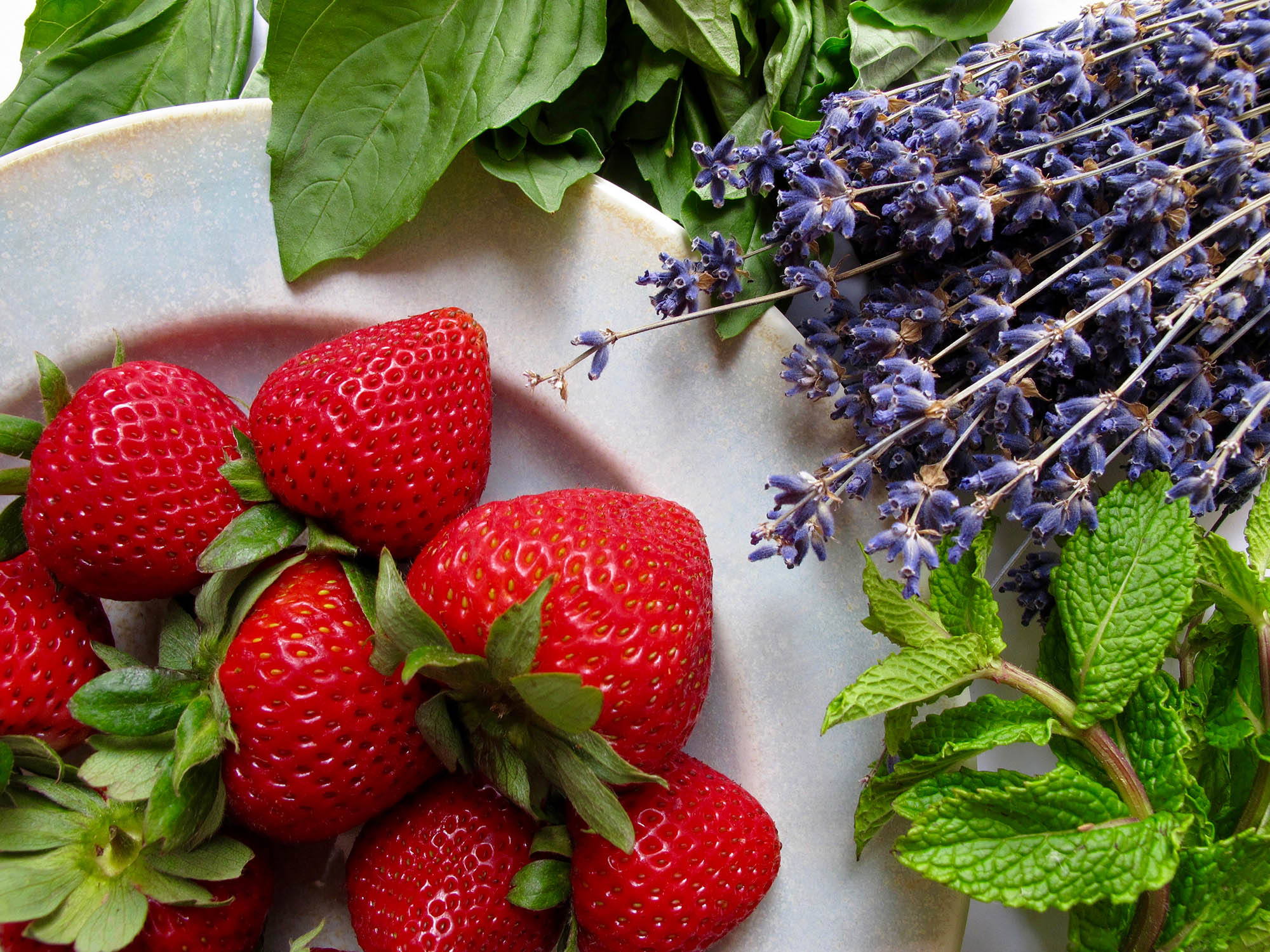
- Lavender and roses: Lavender helps to repel pests, such as aphids and spider mites, and it also attracts pollinators, such as bees and butterflies.
- Marjoram and oregano: Marjoram and oregano are both Mediterranean herbs that have similar growing conditions. They can be planted together in a sunny spot with well-drained soil.

- Mint and strawberries: Mint helps to repel slugs and snails, which can be a problem for strawberries. It's important to plant mint in a pot or container, as it can quickly spread and take over a garden bed.
- Parsley and rosemary: Parsley and rosemary are both Mediterranean herbs that have similar growing conditions. They can be planted together in a sunny spot with well-drained soil.

- Thyme and sage: Thyme and sage are both Mediterranean herbs that have similar growing conditions. They can be planted together in a sunny spot with well-drained soil.


These are just a few of the many herbs that grow well together. With a little research, you can find the perfect combinations for your garden.
If you're looking to add some fresh herbs to your garden, you may be wondering which herbs can be planted together. There are a few things to keep in mind when choosing companion plants, such as their sun exposure needs, water requirements, and soil pH preferences. However, there are also some general rules of thumb that can help you get started.
For example, Mediterranean herbs, such as rosemary, oregano, thyme, and lavender, tend to do well together. They all prefer full sun and well-drained soil. Additionally, these herbs can help repel pests and attract beneficial insects, making them a great addition to any garden.
Another good combination is basil, parsley, and chives. These herbs all have similar water and soil requirements, and they can be used in a variety of dishes. Basil is a great addition to tomato-based dishes, parsley is perfect for soups and stews, and chives can be used to garnish almost anything.
If you're looking for a more fragrant combination, try planting lemon verbena, dill, and cilantro together. These herbs all have a strong aroma that can help deter pests and add flavor to your cooking.
Of course, there are many other herbs that can be planted together. The best way to find out which herbs work well in your garden is to experiment. Visit Gardenia Inspiration for more information about companion planting and to get started growing your own herb garden.
FAQ of herbs i can plant together
- What herbs can I plant together?
There are many herbs that can be planted together, but some of the most popular pairings include:
* Basil and tomatoes: Basil helps to repel pests that can damage tomatoes, and the two herbs also complement each other's flavors.
* Chives and roses: Chives help to deter pests that can damage roses, and the two herbs also have similar growing requirements.
* Lavender and rosemary: Lavender and rosemary both have a strong fragrance that can help to deter pests, and they also look beautiful together in a garden.
* Mint and parsley: Mint and parsley have different growing requirements, so it's important to plant them in separate pots or beds. However, they can be a great addition to a herb garden because they both have a variety of culinary uses.
* Oregano and thyme: Oregano and thyme are both Mediterranean herbs that have similar growing requirements and flavors. They can be planted together in a pot or bed, or they can be used to create a border around another herb garden.
- What are some factors to consider when planting herbs together?
When planting herbs together, it's important to consider the following factors:
* Sunlight: Most herbs need full sun, but some can tolerate partial shade. Make sure to plant herbs with similar sunlight requirements together.
* Watering: Some herbs need more water than others. Plant herbs with similar watering requirements together to avoid overwatering or underwatering.
* Soil: Different herbs have different soil requirements. Plant herbs with similar soil requirements together to avoid nutrient deficiencies or problems with drainage.
* Space: Some herbs grow larger than others. Make sure to plant herbs with similar growth habits together to avoid overcrowding.
* Pests and diseases: Some herbs are more susceptible to pests and diseases than others. Plant herbs with similar pest and disease resistance together to protect them from harm.
- How can I plant herbs together in a pot?
When planting herbs together in a pot, it's important to choose a pot that is large enough for the roots of all of the herbs to grow comfortably. You should also choose a pot with drainage holes to prevent the roots from sitting in water.
Once you have chosen a pot, add a layer of potting mix to the bottom. Then, plant the herbs in the pot, spacing them out so that they have enough room to grow. Fill in the pot with more potting mix, and water the herbs thoroughly.
- How can I plant herbs together in a garden bed?
When planting herbs together in a garden bed, it's important to prepare the soil first. You should till the soil to loosen it up and remove any weeds. Then, add some compost or manure to the soil to improve its fertility.
Once the soil is prepared, you can plant the herbs. Space the herbs out so that they have enough room to grow. Water the herbs thoroughly after planting.
- What are some herbs that should not be planted together?
There are a few herbs that should not be planted together because they can compete for resources or attract pests. These herbs include:
* Catnip and basil: Catnip can attract pests that can damage basil.
* Cilantro and dill: Cilantro and dill have different water requirements, so it's best to plant them in separate pots or beds.
* Mint and rosemary: Mint can quickly take over a garden, so it's best to plant it in a pot or bed by itself.
* Parsley and sage: Parsley and sage have different growth habits, so it's best to plant them in separate pots or beds.
* Thyme and oregano: Thyme and oregano have different sun requirements, so it's best to plant them in separate pots or beds.
Image of herbs i can plant together
- Basil and tomatoes: These two herbs are a classic combination that is often used in Italian cuisine. Basil helps to enhance the flavor of tomatoes, and tomatoes provide the moisture that basil needs to thrive.
- Chives and carrots: Chives are a good companion plant for carrots because they help to repel pests. Chives also have a mild onion flavor that can complement the sweetness of carrots.
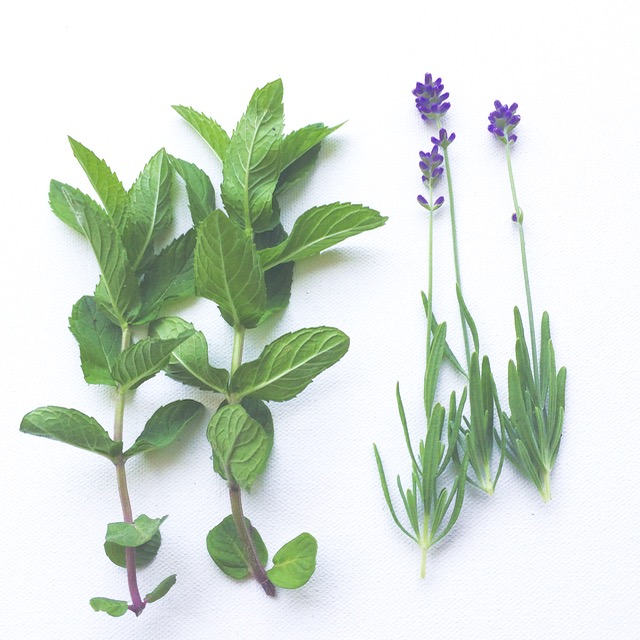
- Mint and lavender: Mint and lavender are both fragrant herbs that can help to deter pests. They also have different water needs, so planting them together can help to create a balanced environment.
- Oregano and thyme: Oregano and thyme are both Mediterranean herbs that have similar growing conditions. They can also be used in many of the same dishes, making them a good choice for a herb garden.

- Parsley and rosemary: Parsley and rosemary are both hardy herbs that can tolerate a variety of soil conditions. They also have different flowering times, so planting them together can help to extend your harvest.
Post a Comment for " Herbs That Grow Well Together"